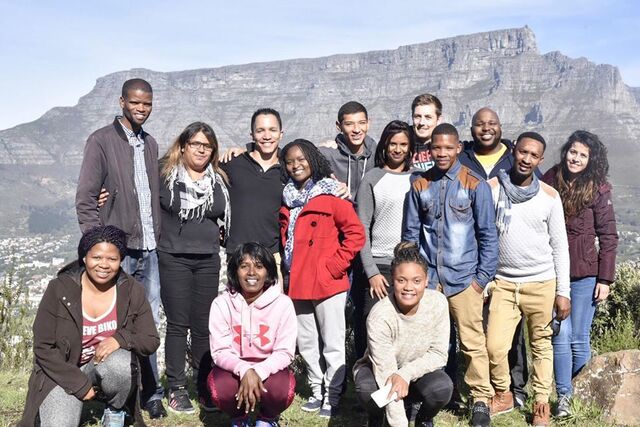
Young people are leaders in u’GOOD
I am currently serving as a member of the project advisory group: youth, representing South Africa in a global initiative focused on advancing the relational wellbeing of young people. The primary role of the project advisory group: youth is to provide strategic advice, document the processes involved in conducting relational research and ensure that the research reflects the lived experiences of young people within our respective country contexts.
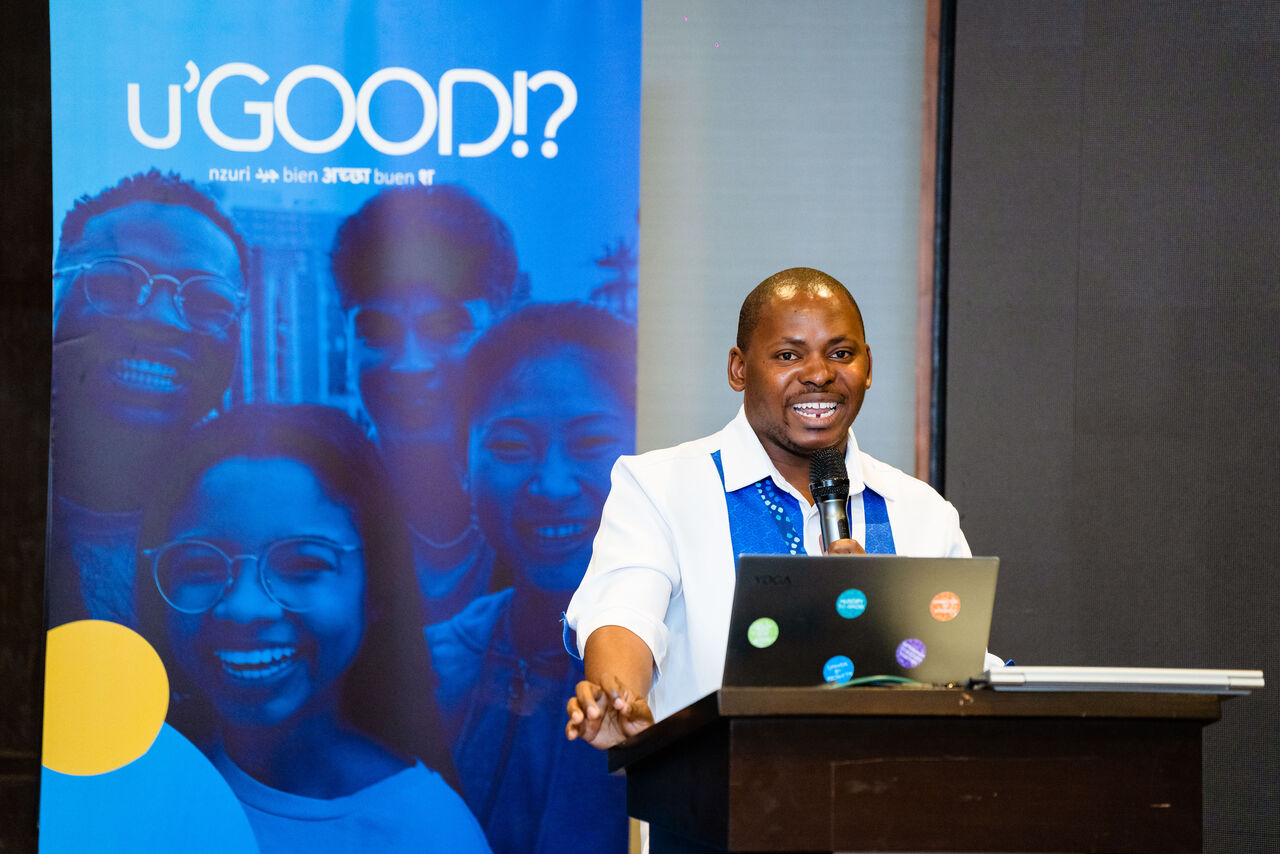
Our responsibilities include supporting decision-making processes, contributing to the development and direction of the community of practice, and ensuring that its activities remain youth-centred. We also play a critical role in identifying and advising on priority areas and thematic issues that are relevant to young people, particularly in addressing knowledge gaps. Moreover, we serve as international ambassadors of the programme, promoting its objectives and impact across various platforms.
The programme itself focuses on relational wellbeing among youth, emphasising how individuals pursue decent and fulfilling lives while navigating various challenges. Relational wellbeing encompasses more than material sufficiency and subjective wellbeing – it is fundamentally about how people live through shared interactions, relationships and strategies across multiple domains and interlinked levels: personal, societal and environmental.
Through our engagement in the project, we are beginning to understand that youth-related challenges are not linear; rather, they are multifaceted and deeply interconnected, encompassing social, environmental and policy dimensions.
My hope for this programme is that it will shed light on the intersectionality of issues affecting youth, and clarify what relational wellbeing and sustainable livelihoods mean in practice for young people. Furthermore, I anticipate that the findings will underscore the importance of integrated service delivery, demonstrating the need for a holistic approach in addressing youth issues. Ultimately, this will contribute to a more comprehensive and nuanced understanding of the conditions and aspirations of young people in diverse contexts.